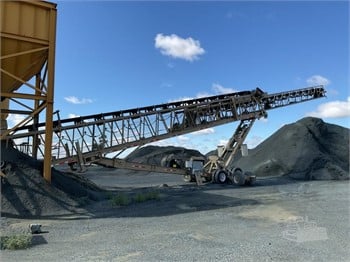
Find Conveyors, Feeders & Stackers For Sale
Conveyors, feeders, and stackers move, meter, and stockpile bulk material so crews can keep crushers, screens, wash plants, and load-out areas working smoothly. They are used across Australian quarries, civil construction sites, mines, ports, recycling yards, and agricultural operations where material flow affects output and site safety.
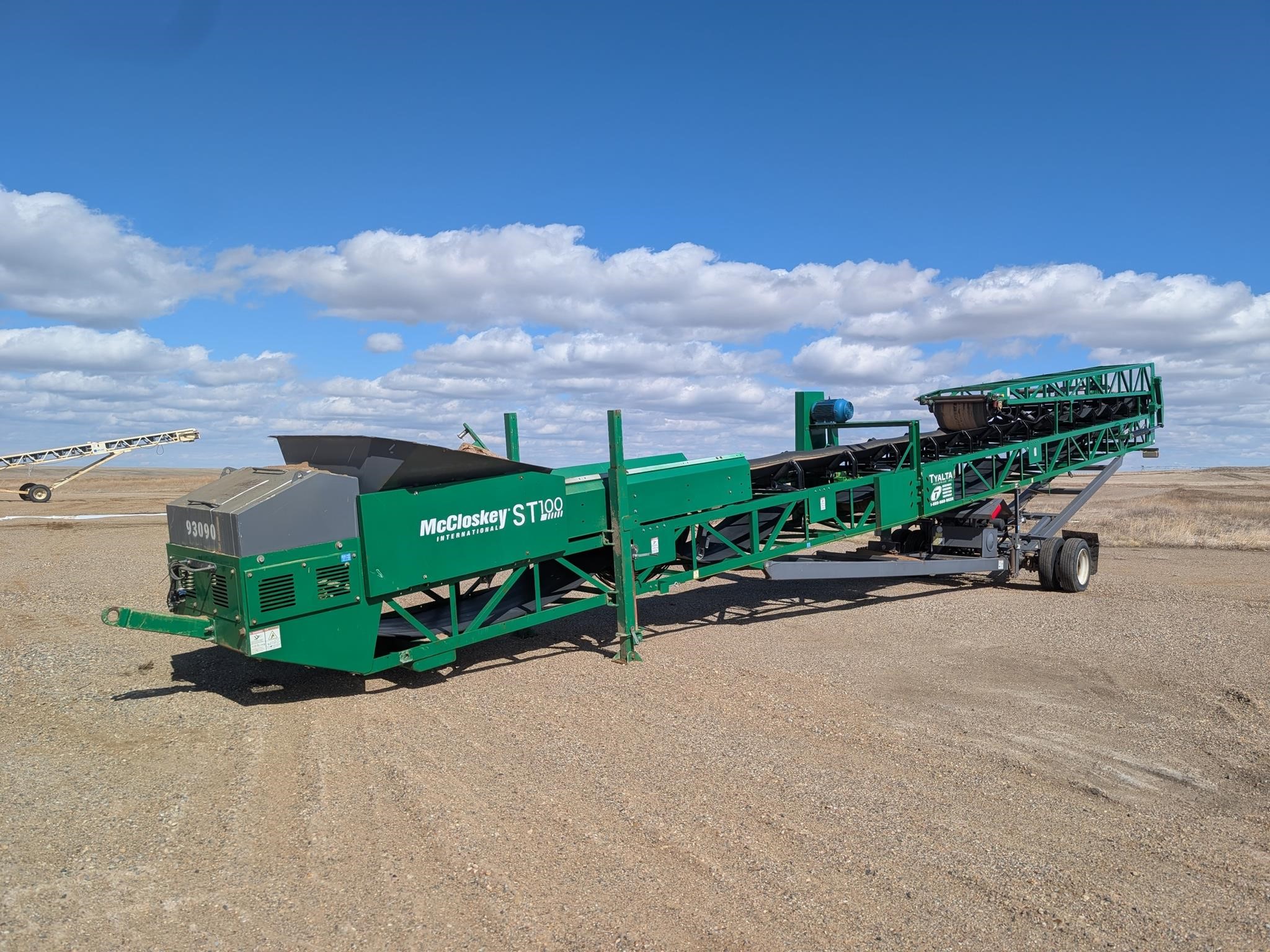
2023 McCloskey ST100E Stacker
Buyers looking for conveyors, feeders, and stackers for sale often compare mobility, belt size, feed control, discharge height, and the type of material being handled. On MachineryTrader.com.au, dealers, contractors, construction companies, farmers, fleets, and individual sellers can review new and used units built for short-term jobs, fixed plants, and high-volume production.
Conveyor, Feeder & Stacker Benefits
- They reduce loader travel by moving material directly from crushers, screens, hoppers, or stockpiles to the next stage of work.
- They help crews improve site safety by limiting machine interaction around busy processing areas.
- They support steady production by controlling feed rates and reducing material surges at crushers and screens.
- They can lower handling costs where large volumes of rock, sand, gravel, soil, mulch, ore, or recycled material must be moved often.
- Mobile and tracked designs make it easier to reposition equipment as pits, stockpiles, or jobsite layouts change.
Conveyor, Feeder & Stacker Applications
- Quarry operations use them for crushing circuits, screening plants, stockpiling, and load-out work.
- Mining sites use them to transfer ore, overburden, and processed material in open-cut and remote operations.
- Recycling yards use them to handle concrete, asphalt, timber, green waste, and mixed aggregates.
- Civil contractors use them on roadworks, subdivision projects, rail works, and bulk earthmoving jobs.
- Agricultural and landscape suppliers use them for grain, fertiliser, compost, mulch, and soil blends.
Differentiating Features
- Conveyors focus on material transfer and may be radial, tracked, wheeled, telescopic, or fixed.
- Feeders manage material flow with hoppers, grizzly sections, belts, pans, or variable-speed controls.
- Stackers build larger, cleaner stockpiles and can reduce segregation when matched to the material and site layout.
- Power options, belt width, frame strength, hopper capacity, and discharge height help separate light-duty units from quarry-grade machines.
- Dust control, guarding, emergency stops, remote operation, and access points are important for Australian worksites.
How To Buy The Right Conveyor, Feeder Or Stacker
- Match the machine to the material. Rock, sand, mulch, ore, demolition waste, and sticky clay each place different demands on belt type, hopper design, wear liners, and clean-out access.
- Check production needs. Compare expected tonnes per hour, feed height, discharge height, belt width, and stockpile capacity against the rest of your plant.
- Review mobility and site access. Tracked units suit changing pits and tight jobsites, while wheeled or fixed units may suit longer set-ups with stable ground and clear haul routes.
- Inspect condition closely. For used conveyors, feeders, and stackers, check belt wear, rollers, bearings, hydraulics, drives, guarding, chassis condition, and service records.
- Plan for transport and support. Consider overall length, folding systems, tyre or track condition, parts supply, and dealer support before you buy a conveyor, feeder, or stacker.
Top Conveyor, Feeder & Stacker Manufacturers
Explore conveyors, feeders, and stackers for sale from Astec, Earthworm Conveyors, Edge, Masaba, McCloskey, Powerscreen, Rock Systems, Superior, and other manufacturers. Buyers can compare listings by condition, drive type, configuration, mobility, and work history to find equipment that suits current jobs and future production needs.
Find More Conveyors, Feeders & Stackers For Sale
Browse conveyors, feeders, and stackers for sale on Machinery Trader to compare listings from dealers, fleets, contractors, construction companies, farmers, and individual sellers across Australia.

 Get Financing